

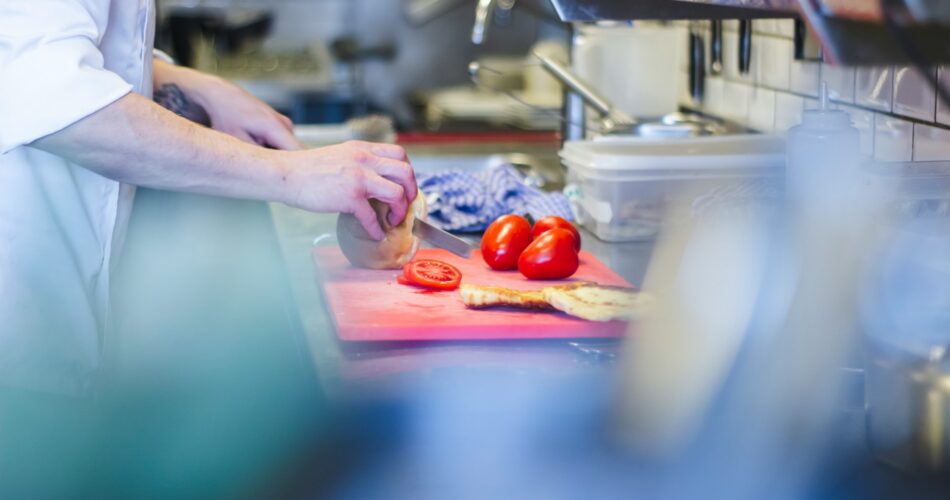
A growing number of families are turning to food banks to get through difficult financial circumstances. In Toronto, one professional chef has found a way to bring a little more creativity and dignity to the meals served to people who need assistance.
Maddy Goldberg has made volunteering part of her weekly routine. Instead of spending every Tuesday preparing meals for paying customers, the Toronto-area chef heads to Fort York Food Bank, where she cooks for roughly 100 people using ingredients that have been donated.
What makes her work particularly interesting is the challenge she takes on each week. She doesn’t arrive with an expensive shopping list or a carefully planned restaurant menu. Her starting point is whatever happens to be available at the food bank.
Vegetables, eggs, potatoes, beans, and other donated staples become the foundation for dishes that often look far more elaborate than their ingredients might suggest.
Goldberg regularly shares footage of her cooking sessions online. Her videos have attracted a large following, with viewers watching as ordinary food donations are turned into carefully prepared meals. One week might feature roasted vegetables and homemade hummus, while another could involve a vegetable-filled frittata or freshly prepared breakfast potatoes.
The response has extended beyond compliments about her cooking. Many viewers have praised the amount of time she gives to people facing food insecurity, while others have encouraged her to take her skills to competitive cooking television.
Her interest in food, however, began long before she started volunteering.
Goldberg initially pursued a university education in social work. Cooking was already a major interest, but her time in college helped turn that hobby into something more serious. She began spending much of her free time learning culinary techniques and experimenting with recipes.
Eventually, she made a career change and enrolled in culinary school.
Her professional experience included working in high-end restaurants, where she learned how much planning goes into maintaining a successful kitchen. She also became familiar with an issue that bothered her: restaurants often purchase more ingredients than they actually use because running out of supplies during service is considered a serious mistake.
The result can be substantial food waste.
That experience helped shape her interest in finding more practical ways to use available food. Rather than continuing exclusively in fine dining, she moved into private cooking and began exploring opportunities to support organizations serving people in need.
Volunteering at a food bank gave her a chance to see another side of the food industry and understand how donated ingredients could be put to better use.
Her message to people interested in helping is that financial donations aren’t the only way to contribute. Food banks also depend on volunteers and frequently need everyday supplies. She encourages people to contact local organizations directly rather than assuming they only accept money or groceries.
The need for those services is becoming increasingly difficult to ignore.
Daily Bread Food Bank’s 2026 Who’s Hungry report found that approximately one in eight children in Toronto lives in a household that relies on food bank assistance. In 2022, the reported figure was closer to one in 15.
The organization also recorded 4.1 million visits to Toronto food banks for the second consecutive year, indicating that demand has remained exceptionally high.
Goldberg has additionally highlighted figures showing that approximately 2.3 million Canadians accessed food bank services during a single month.
Her contribution cannot solve the larger economic challenges facing those families, but it demonstrates how professional skills can be put to practical use outside the workplace.
For the people receiving those meals, having someone take the time to prepare something carefully can make an ordinary day a little better. And for Goldberg, using her experience to help others has become an important part of what she does.
She believes access to food should never depend on someone’s financial circumstances. Her weekly commitment is one way she is putting that belief into action.

