

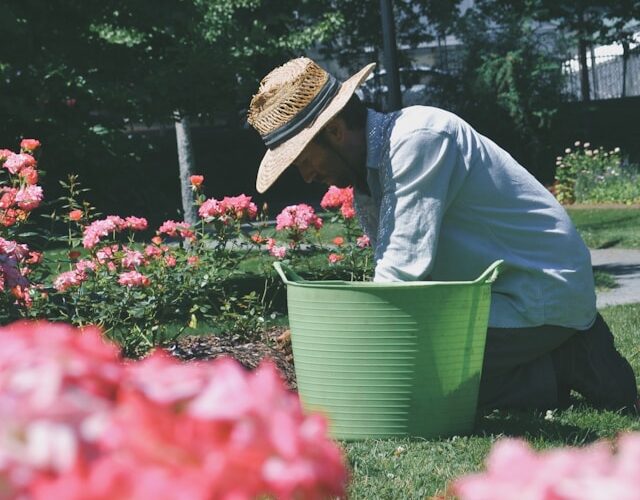
In Southeast Fort Worth, a community garden is doing more than producing vegetables—it’s becoming a steady source of fresh food, education, and neighborhood connection for residents who might otherwise have limited access to healthy options.
Located behind the At The Six Community Center in the Stop Six area, the garden is overseen by Ahmad Houston, who has turned the space into a welcoming place where locals can freely pick herbs, vegetables, and flowers at no cost. The garden includes a wide variety of produce, from tomatoes and green beans to peppers, mint, and pollinator-friendly plants designed to support healthy growth across the beds.
The concept is simple but powerful: anyone in the community can walk in and take what they need. Beyond just food, the space has become a place where residents can learn how different plants grow, how soil works, and how sustainable gardening can support long-term well-being.
Houston’s path to leading the project wasn’t easy. Just a few years ago, he was experiencing homelessness during a difficult stretch in 2020. During that time, he began exploring gardening as a way to rebuild stability and create something meaningful for himself. What started as a personal effort to grow food gradually evolved into a larger opportunity that helped change the direction of his life, eventually connecting him with Fort Worth Housing Solutions and providing him with stable housing.
That experience now shapes how he approaches his work. Houston often emphasizes that home and community are deeply connected, and he views the garden as a shared space where people can find both nourishment and dignity.
Today, he uses the garden as an open-air classroom, working with local students and residents to teach practical skills such as planting techniques, soil care, and harvesting methods. The produce grown there also supports nearby seniors at the Hughes House complex through partnerships with local organizations, including the Tarrant Area Food Bank, helping extend its impact beyond the garden itself.
The project has become part of a broader effort to improve quality of life in the Stop Six neighborhood, where community-driven initiatives are helping expand access to fresh food and encourage stronger local ties.
For Houston, the work is personal as well as practical. He describes it as something that gives purpose and fulfillment, rooted in the idea that growing food can also grow opportunity.

